



ppgi sheet metal roofing rolls quotes
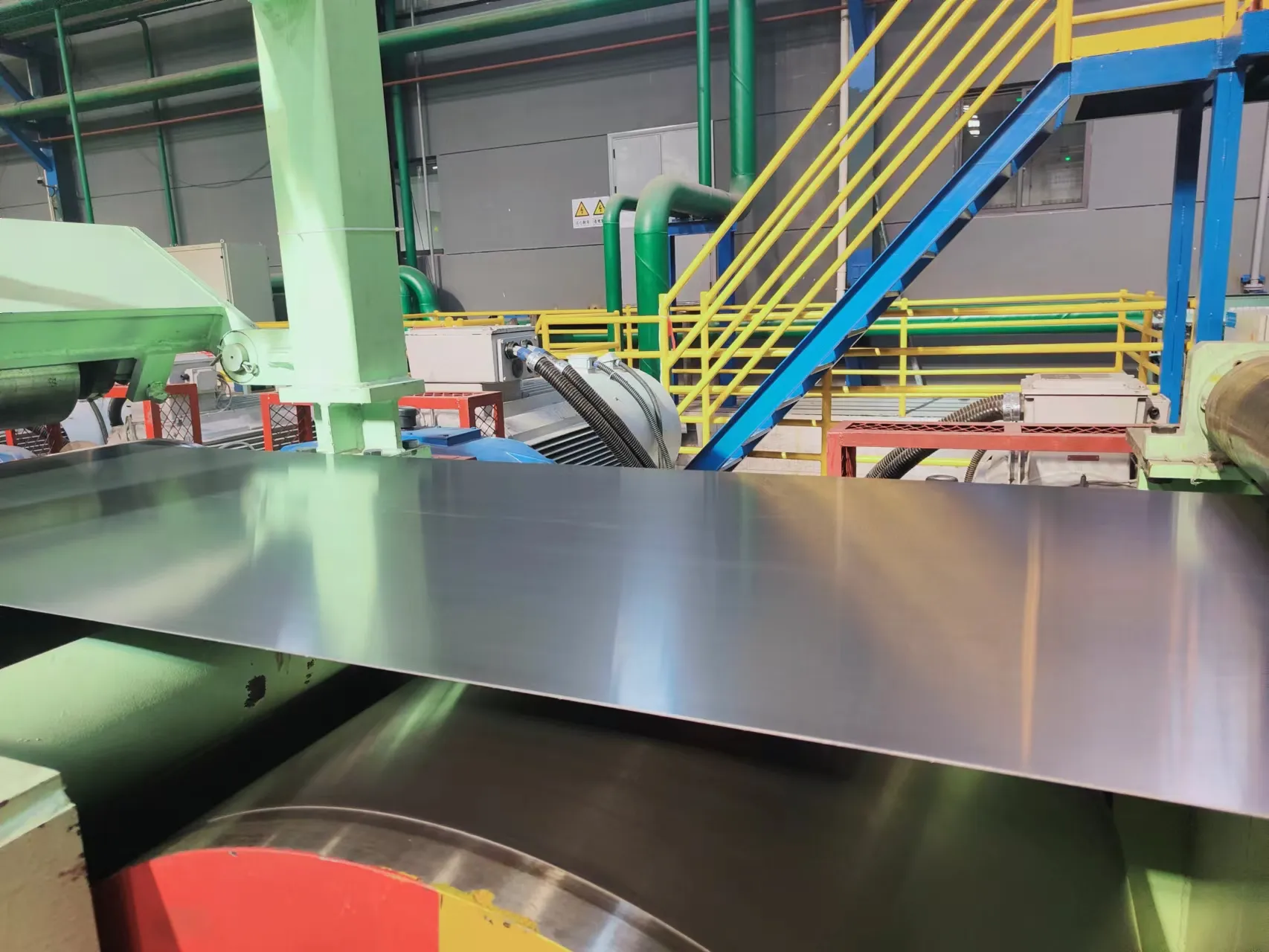
The Strip Mill Plate A Cornerstone of Modern Manufacturing In the vast field of manufacturing and metallurgy, the term “strip mill plate” represents a significant innovation that has shaped various industries across the globe. Strip mill plates, produced through a series of processes that involve the rolling of steel into thin sheets, have become crucial components in everything from automotive production to construction. Understanding the significance of strip mill plates requires a closer examination of their manufacturing processes, applications, and impact on modern industry. Manufacturing Process The production of strip mill plates begins with the melting of raw materials, primarily steel scrap and ferroalloys. This molten metal is then poured into molds and subsequently cooled to form large slabs. The slabs undergo a series of rolling processes, often in a hot strip mill, where they are heated and rolled into thinner sheets. This rolling process is crucial, as it not only reduces the thickness of the material but also enhances its mechanical properties. The rolling process in strip mills can be classified into two main categories hot rolling and cold rolling. Hot rolling involves the deformation of metal at high temperatures, typically above the recrystallization temperature, allowing for easier shaping and forming. In contrast, cold rolling takes place at room temperature, resulting in a smoother finish and increased strength due to strain-hardening. The choice between hot and cold rolling depends on the desired properties of the final strip mill plate. Applications The versatility of strip mill plates is reflected in their wide range of applications. In the automotive industry, strip steel is utilized to manufacture critical components such as body panels, frames, and structural components. The lightweight nature of thin steel plates contributes to improved fuel efficiency and enhanced performance in vehicles. In the construction sector, strip mill plates are essential for fabricating beams, columns, and bridges. Their strength and durability make them ideal for supporting heavy loads and withstanding adverse environmental conditions . Furthermore, in the shipbuilding industry, strip mill plates are used to construct hulls and other vital structures that require robust and corrosion-resistant materials. In addition to these industries, strip mill plates play a vital role in the production of appliances, machinery, and even packaging materials. As technology evolves, the demand for high-quality strip mill plates continues to rise, pushing manufacturers to innovate constantly. Advanced coating techniques, such as galvanization and painting, are often employed to enhance the corrosion resistance and aesthetic appeal of these plates. strip mill plate Impact on the Industry The advent of strip mill plates has revolutionized the manufacturing landscape. The ability to produce high-quality, thin sheets of steel at a fast pace has significantly increased production efficiency and reduced costs. This efficiency translates into lower prices for consumers and greater competitiveness for manufacturers. Moreover, the environmental impact of producing strip mill plates cannot be overlooked. Modern manufacturers are increasingly adopting sustainable practices, utilizing electric arc furnaces that significantly reduce carbon emissions compared to traditional blast furnaces. The recycling of scrap steel in the production of strip mill plates also contributes to a more sustainable industry, as it minimizes waste and promotes resource conservation. Challenges and Future Directions Despite the numerous advantages of strip mill plates, the industry faces several challenges. Fluctuating raw material prices, geopolitical tensions, and environmental regulations can impact production and profitability. Furthermore, the need for continuous improvement in product quality and performance drives manufacturers to invest in research and development. The future of strip mill plate production looks promising, with advancements in technology paving the way for innovative solutions. The integration of automation and artificial intelligence in manufacturing processes is expected to enhance efficiency and precision. Additionally, the development of high-strength, lightweight materials will likely lead to new applications and markets, further expanding the influence of strip mill plates. Conclusion In conclusion, strip mill plates are more than just flat pieces of metal; they are a fundamental part of modern manufacturing that drives various industries forward. Their unique properties, coupled with advanced production techniques, make them indispensable in the creation of numerous products and structures. As the industry continues to evolve, strip mill plates will undoubtedly play a pivotal role in shaping the future of manufacturing and meeting the challenges of a rapidly changing world. The continued innovation in this field promises to enhance the efficiency, sustainability, and quality of strip mill plate production, ensuring its place at the forefront of industrial development.

We have successfully executed over 500
projects around the world,
many first-of-their-kind
research projects and products in China, including
We have successfully executed over 500
projects around the world,
many first-of-their-kind
research projects and products in China, including
-
2004
The 1st hydraulic AGC system for hot rolling of ribbon steel
-
2006
The 1st AFC system used for 1450mm skin pass mill
-
2009
The 1st 5-stand tandem line with 2-stand POR & Uncoiler for 650mm ribbon steel
-
2012
The 1st reversing mill for 1380mm strip
-
2016
The 1st soft-rolling system used in skin pass mill
-
2019
The 1st fully automated medium-width tandem cold rolling mill
-
2021
The 1st 5000KN Twin-stand double skin pass mill
-
2022
The 1st coupled pickling line & tandem cold mill with two modes - big roller & small roller
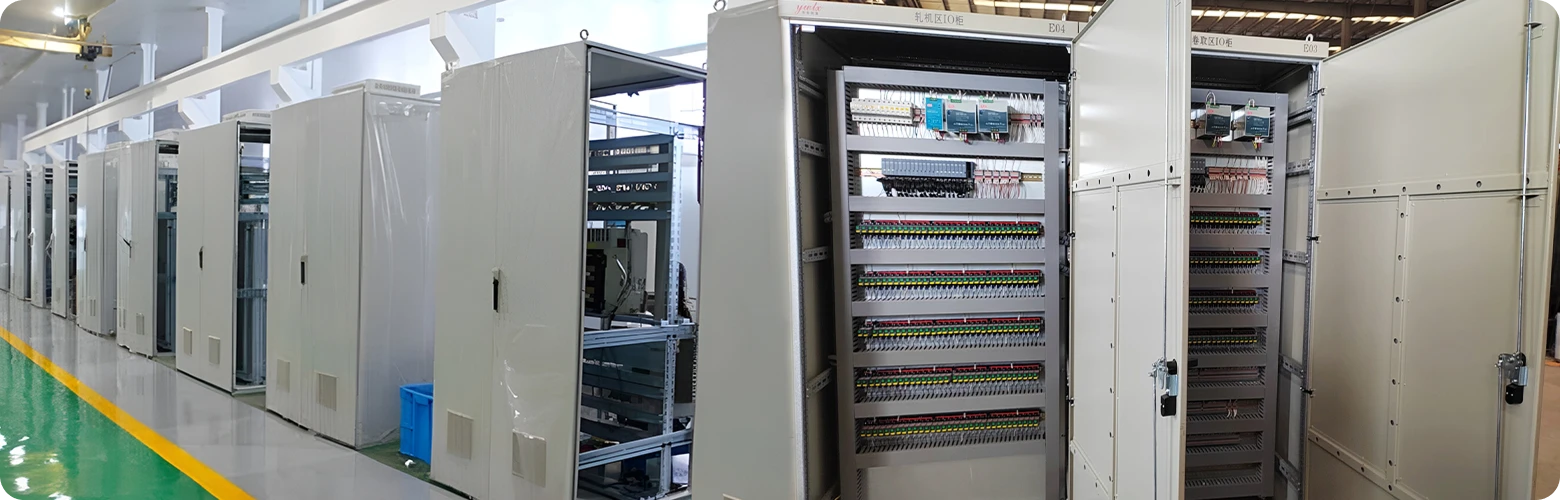

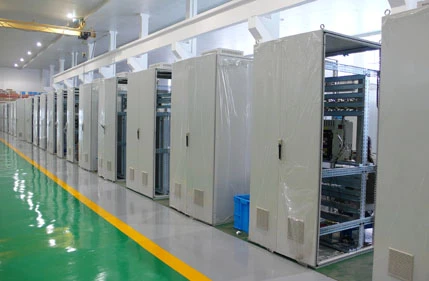
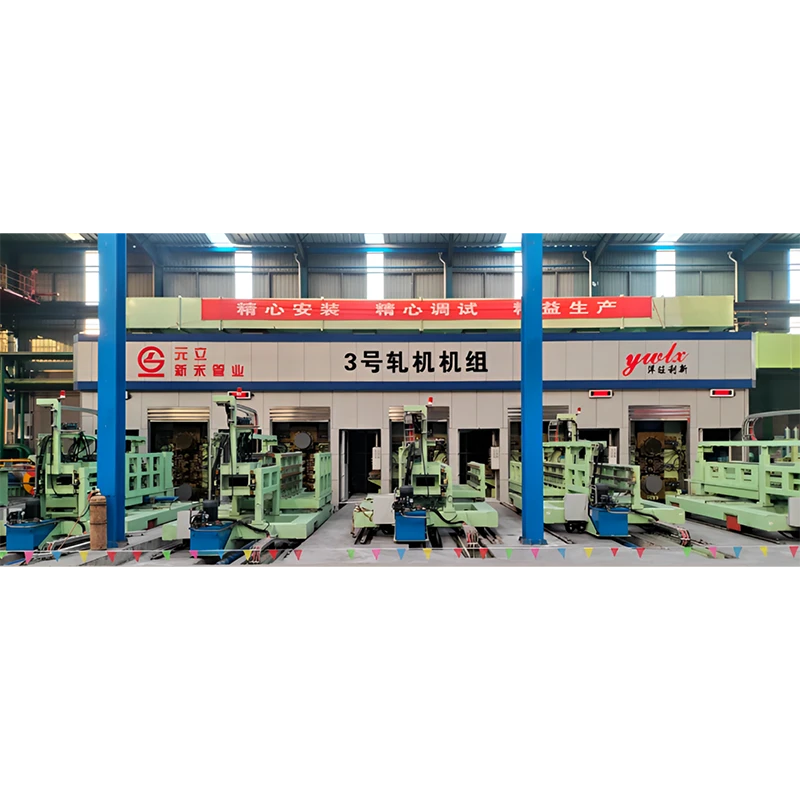

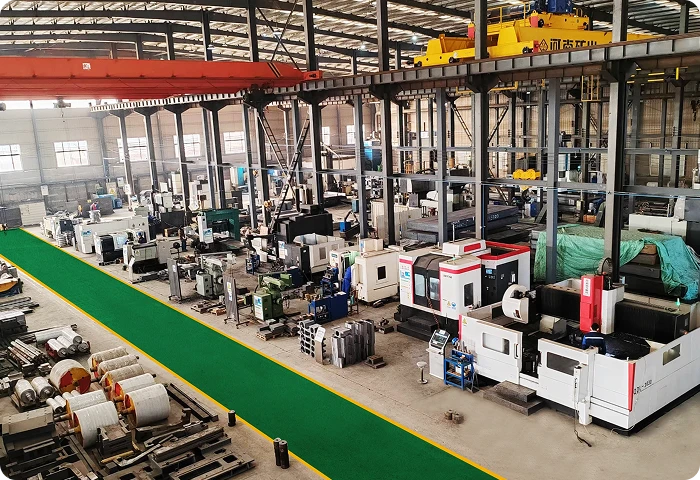
Yang Wang Li Xin operates a state-of-the-art facility over 66,000 square meters,and our manufacturing facility is fully equipped with high-tech machinery and high-capacity cranes. This enables us to handle large work pieces measuring 4.5m in width, 10m in length, and 1.5m in height, guaranteeing our capacity to produce 1800mm skin-pass mills and 1450mm rolling mills. The individual piece can weigh up to 100 tons.

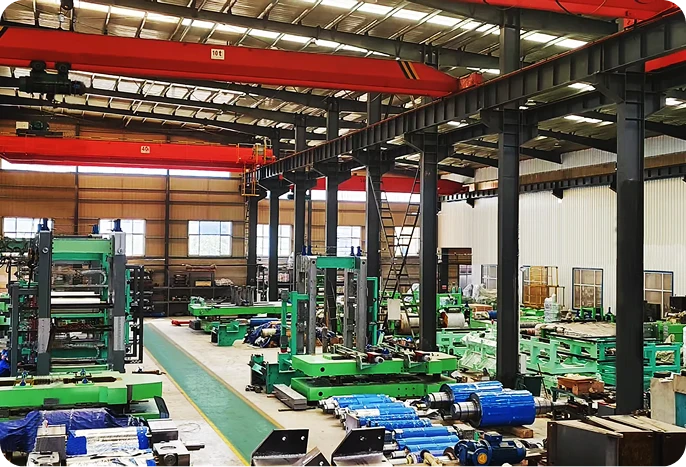

Quality is fundamental to the enterprise survival. We have established a comprehensive and meticulous quality management system and have successfully obtained ISO14000 certification. Starting from the design source, it supervises the entire production cycle, including design, procurement, processing, assembly, in-factory testing, installation, and online commissioning. The workshop is equipped with measuring tools like vernier calipers, spectrometers, hardness testers, and ultrasonic flaw detectors. They are used to check materials and control tolerances to ensure the final equipment meets or exceeds requirements. All products have a unique code, This enables the easy identification and traceability of the equipment components and ensures full control of quality.


-
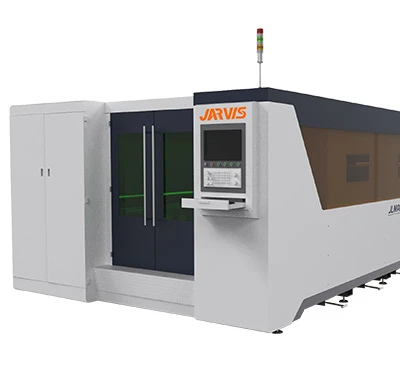 Temper MillNestled in the heart of industrial innovation, Steel Mill & Co. stands as a testament to the blending of traditional craftsmanship and modern technology. With decades of experience in the steel manufacturing sector, this company has cultivated a reputation for delivering high-quality products with exceptional durability and efficiency. Boasting advanced production facilities that are benchmarked a
 -
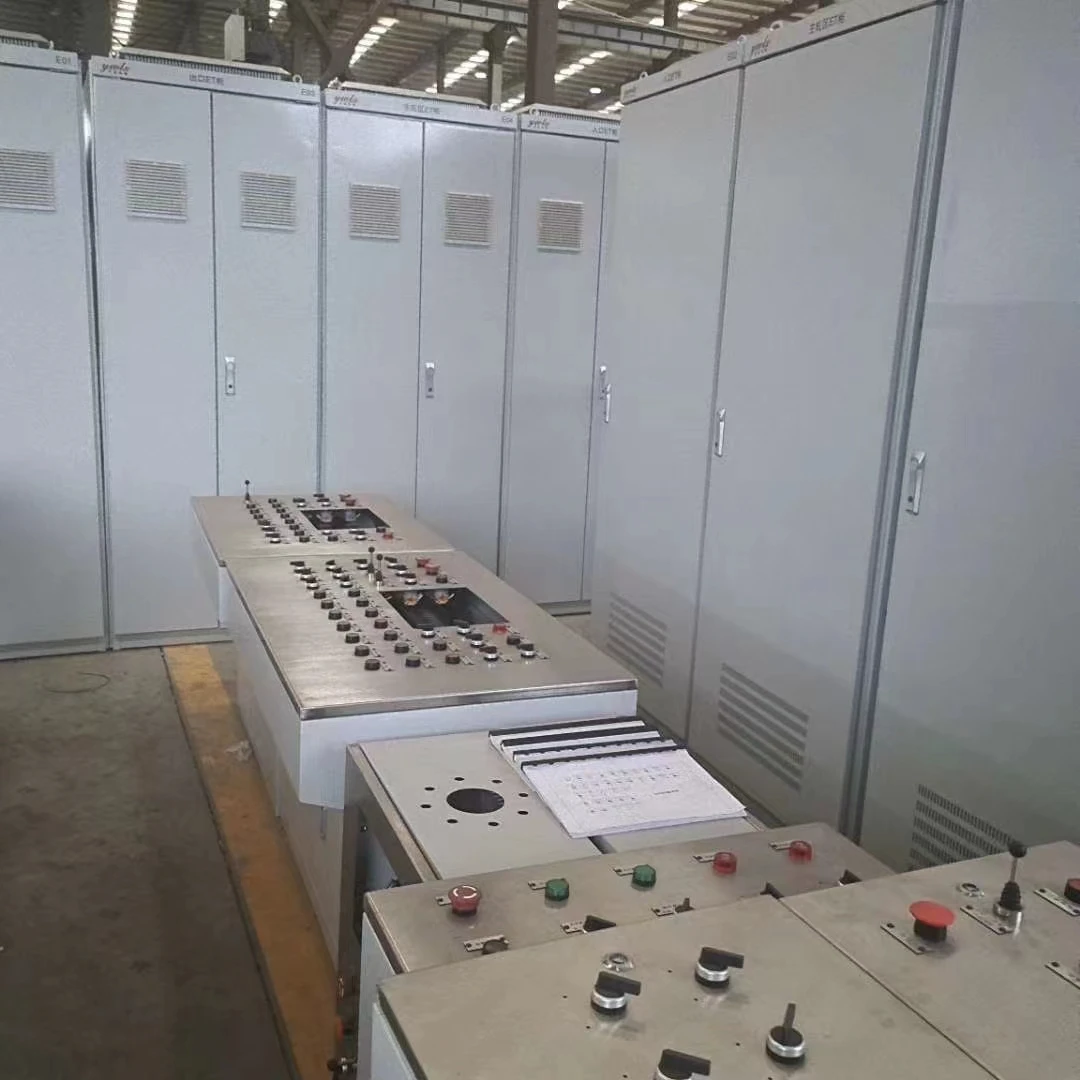 Cladding Rolling Mill - YWLX | Cold Rolling Technology Energy EfficiencyThe Cladding Rolling Mill developed by YWLX (石家庄洋旺机电技术有限公司) represents a breakthrough in cold rolling technology for roll bonding cladding and hot roll bonding cladding. This innovative system addresses critical challenges in the production of clad pipe welding and bimetallic strips, offering a sustainable, cost-effective, and high-performance solution for industries ranging from electronics to au
 -
 Analysis of Temper Mill Process for Surface Rolling of Construction SteelThe temper mill process is a critical step in the production of high-quality construction steel, ensuring optimal surface finish, mechanical properties, and dimensional accuracy. This process involves light cold rolling of steel sheets or strips to enhance their surface characteristics, improve flatness, and achieve precise thickness tolerances. The high precise temper mill plays a pivotal role in


